If your employees receive tips, it is important to remember that tip income is taxable. Employees must report all tips they receive, and you must withhold payroll taxes on tips.
Read More How to Withhold Taxes on Tips
If your employees receive tips, it is important to remember that tip income is taxable. Employees must report all tips they receive, and you must withhold payroll taxes on tips.
Read More How to Withhold Taxes on Tips
Found the best new hire thanks to an employee referral program? Great! Next on the agenda is paying out the referral bonus to the referring employee.
Read More Referral Bonus Payouts: Don’t Cut That Check! Your Guide Has Arrived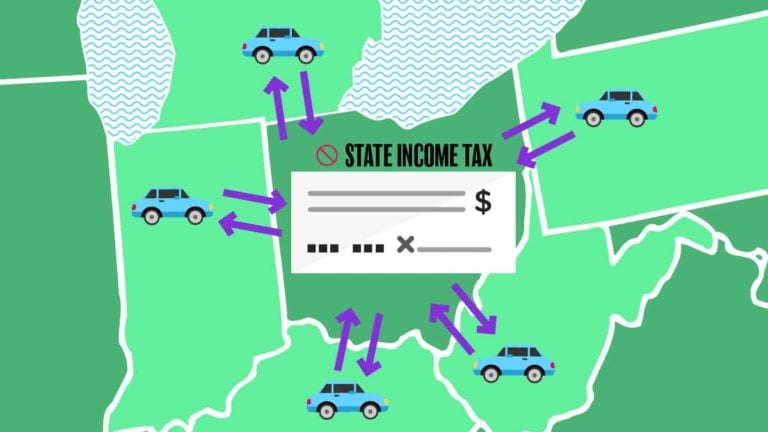
If you have an employee who lives in one state but drives across the border to work in yours, you might assume you need to withhold and remit income tax to both states. In some cases, you don’t. A number of neighboring states have worked out reciprocity agreements that let cross-border employees pay income tax […]
Read More Which States Have Reciprocal Agreements … and What Does That Mean?
Deferring compensation is one strategy employees can use to reduce their tax liability. Qualified and nonqualified are the two types of deferred compensation plans. To keep your business legal, learn how qualified vs. nonqualified plans differ.
Read More What Is the Difference Between Qualified vs. Nonqualified Plans?
Most business owners are familiar with their minimum wage responsibilities. But if you take on a federal or state government contract, you also need to know about prevailing wages. What are prevailing wages?
Read More What Are Prevailing Wages?
When employees incur travel-related business expenses, you might consider covering their costs. You can reimburse employees for expenses by giving them per diem pay. What is per diem pay?
Read More What Is Per Diem? How to Cover Employees’ Travel-related Business Expenses
One word, two syllables. And completely unavoidable if you’re an employer. Ah yes, we’re talking about payroll. It’s a pretty common term in the workplace (Don’t forget to run payroll!). But, what is payroll exactly?
Read More What Is Payroll?
Employers juggle many responsibilities, including calculating and withholding payroll taxes and other deductions. But, what exactly does payroll taxes include? And, how do you know how much to withhold from employees’ wages? If you’re wondering about understanding payroll taxes, never fear. Your payroll taxes breakdown is here.
Read More What Are Payroll Taxes?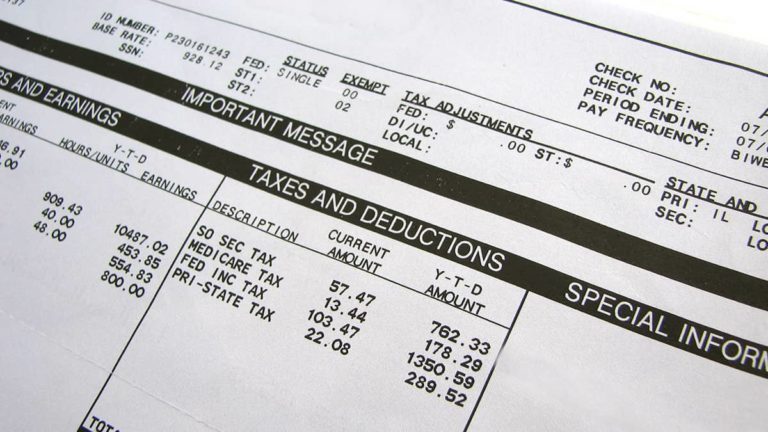
When you have employees on payroll, you withhold taxes and issue payments on a regular basis. And regardless of which way you choose to pay your employees (e.g., direct deposit), there is one item you typically need to give to employees: a pay stub. But, what is a pay stub? What is on a pay […]
Read More What Is a Pay Stub? Quick Facts for Employers
Payroll has a lot of moving parts to keep track of: employee hours, gross pay, net pay, payroll taxes, employee deductions, employer contributions, and the list goes on. Seeing all of that information in one place would be a dream come true, right? That’s where the payroll register comes in. So, what is a payroll […]
Read More A Handy Guide to the Payroll Register