Once you send Forms W-2 to your employees, you don’t have to worry about the annual form until next year. Or, do you? If you don’t know how to fill out Form W-2, you may run into problems.
Read More How to Fill Out Form W-2: Box-by-box Breakdown

Once you send Forms W-2 to your employees, you don’t have to worry about the annual form until next year. Or, do you? If you don’t know how to fill out Form W-2, you may run into problems.
Read More How to Fill Out Form W-2: Box-by-box Breakdown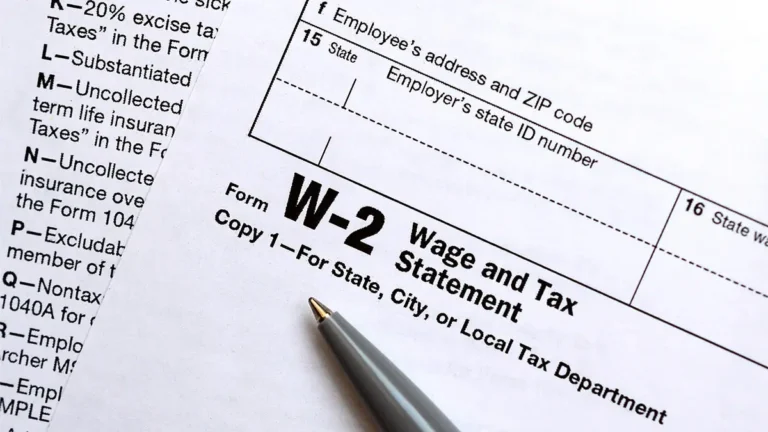
Each year, you need to file Form W-2 for your employees. You might need to use Form W-2 Box 12 codes to accurately fill out Form W-2.
Read More Form W-2 Box 12 Codes and Explanations
Do you need an extra set of hands for a few weeks or months? You may opt for a temporary employee. Temporary employees can cover for employees on leave, help during your busy season, or fill in gaps in the workplace.
Read More How to Hire and Manage Temporary Employees
Deciding on a pay frequency for your small business is an important decision. Your pay frequency determines how often you process payroll and when employees receive their paychecks. Two popular, yet easily confused, pay periods are biweekly and semimonthly.
Read More Biweekly vs. Semimonthly Payroll: Understand the Difference
If you’re a fan of organization, consider adding structure to how you determine salaries and raises. Learn about the different types of salary structure you can use in your small business.
Read More 3 Types of Salary Structure You Should Know
Found the best new hire thanks to an employee referral program? Great! Next on the agenda is paying out the referral bonus to the referring employee.
Read More Referral Bonus Payouts: Don’t Cut That Check! Your Guide Has Arrived
Deferring compensation is one strategy employees can use to reduce their tax liability. Qualified and nonqualified are the two types of deferred compensation plans. To keep your business legal, learn how qualified vs. nonqualified plans differ.
Read More What Is the Difference Between Qualified vs. Nonqualified Plans?
Remote work may have taken the nation by storm during the pandemic, but it isn’t evenly distributed across the USA. For example, Colorado and Massachusetts have a significantly higher remote-work rate than Mississippi and Alabama.
Read More Remote Work Map: The States With the Most People Working from Home
Your employees might have a change in family status while at your small business. An employee could get married, while another might give birth to or adopt a child. When your employees have a family status change, you need to update payroll records.
Read More How to Update Payroll for an Employee With a Family Status Change
You may have to file information returns like Form W-2 and Form 1099-NEC when you have employees, work with independent contractors, or meet other requirements. Some businesses must electronically file these returns with the IRS. There is an IRS electronic filing threshold that determines which companies must e-file.
Read More IRS Electronic Filing Requirements: Who Needs to E-file?